
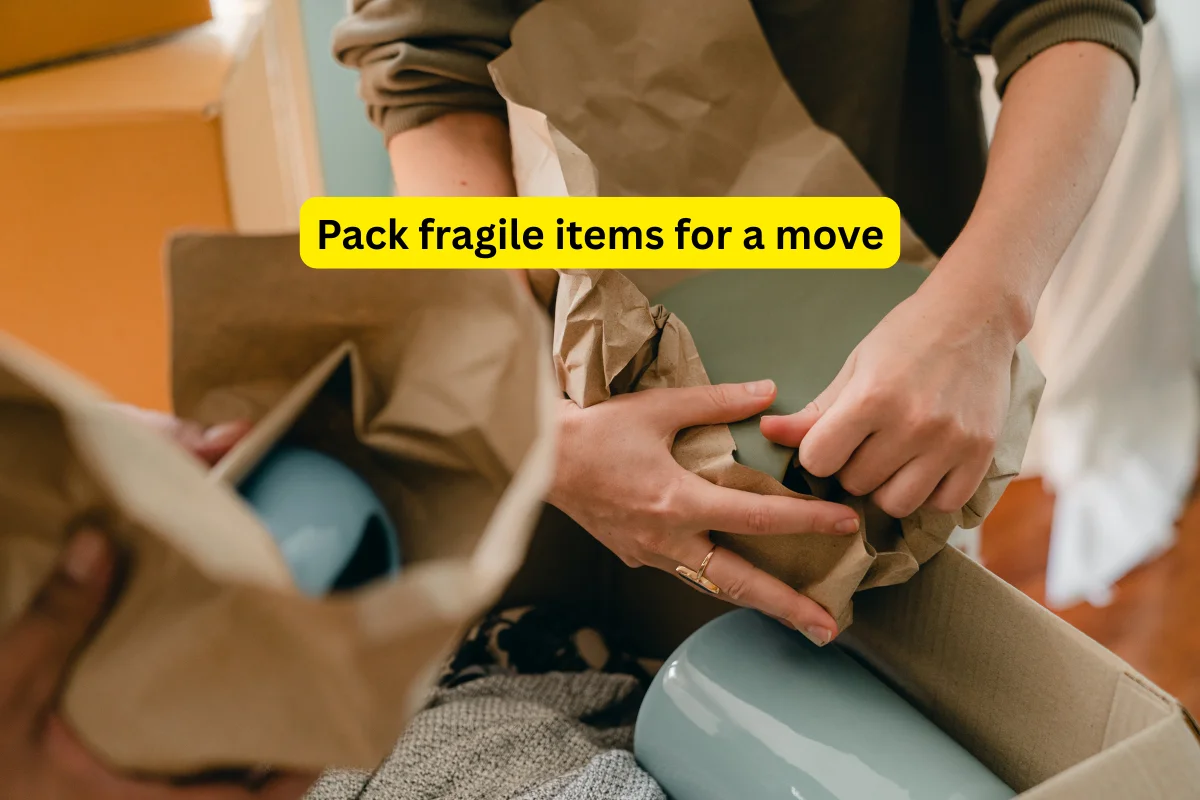
Moving to a new home is an exciting experience, but it also comes with its challenges. One of the biggest concerns for many people is making sure fragile belongings arrive safely. Items like glassware, dishes, mirrors, electronics, and antiques are not only delicate but often hold both financial and sentimental value. A single mistake in packing can lead to damage that is costly and stressful to deal with.
Proper packing is the key to protecting these items during transport. By taking the time to use the right techniques and materials, you can reduce the risk of breakage and make your move much smoother.
This guide will walk you through step-by-step instructions on how to pack fragile items for a move. From choosing the right supplies to avoiding common mistakes, you will learn practical methods to keep your belongings safe. With careful preparation, your fragile items can reach your new home without any unwanted surprises.
Why Proper Packing for Fragile Items Matters
Fragile belongings often carry more than just a price tag. Many items, such as family heirlooms or gifts, have emotional value that cannot be replaced. This makes proper packing essential when planning a move.
Poor packing increases the risk of breakage, scratches, or even complete loss of valuable items. Replacing damaged goods can quickly add to your moving expenses, turning an already stressful process into a costly one. In some cases, insurance will not cover damage if items were not packed correctly, which makes the risk even greater.
Taking the time to pack fragile belongings with care gives you peace of mind. It reduces the chance of accidents and ensures that your most important possessions are protected. By learning the right techniques, you set yourself up for a safer and more organized moving experience.
Essential Packing Supplies for Fragile Items
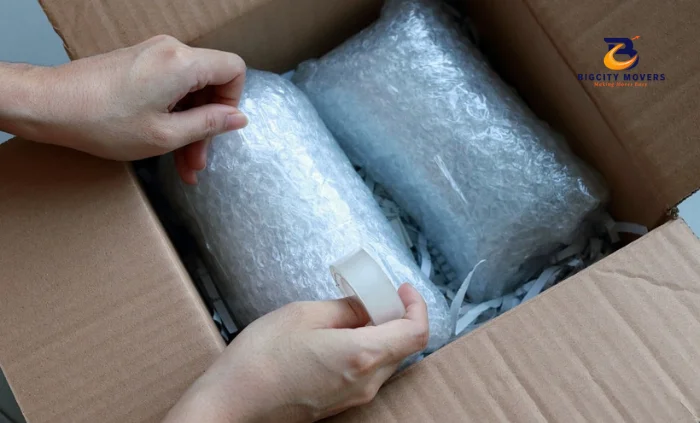
To pack fragile belongings safely, you will need the right materials. Here are the essentials:
- Sturdy boxes: Use double-walled boxes for extra strength and better protection.
- Bubble wrap for fragile items: Wrap each piece individually and secure it with tape.
- Packing paper: Great for wrapping smaller items or adding a first protective layer.
- Packing peanuts or soft fillers: Fill empty spaces in boxes to prevent movement.
- Strong packing tape: Seal boxes securely so they do not open during the move.
- Labels: Mark boxes with “Fragile” or “This Side Up” to guide movers.
- Specialty boxes: Use dish packs or glassware boxes with dividers for added protection.
Having these supplies on hand reduces the risk of breakage and ensures your fragile items stay safe throughout the move.
Step-by-Step Guide: How to Pack Fragile Items for a Move
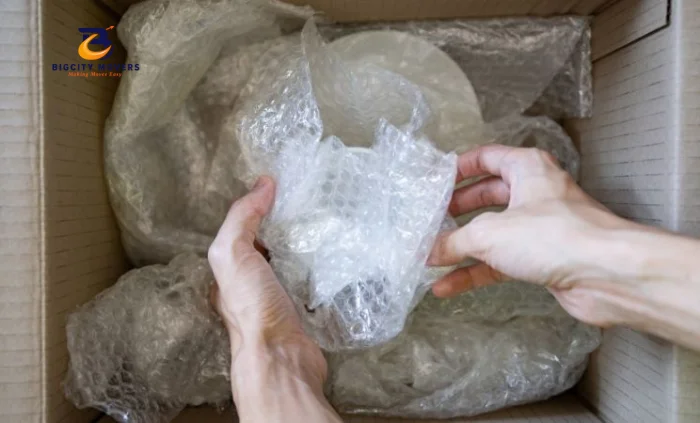
Packing fragile items takes extra care. Follow these steps to keep everything safe.
Preparing the Box
Start by reinforcing the bottom of the box with strong packing tape. Add a layer of bubble wrap, foam, or crumpled packing paper at the base. This cushioning acts as a shock absorber if the box is dropped or bumped.
Packing Glassware and Dishes
When learning how to pack glassware for moving, always wrap each item individually in bubble wrap or packing paper. Stack plates vertically like records rather than flat. This reduces the chance of cracking under pressure. Place glasses upright and separate them with cardboard dividers if possible.
Packing Mirrors and Picture Frames
Use corner protectors and wrap the frame with bubble wrap or moving blankets. Always place mirrors and frames upright, never flat, inside the box. Mark the box clearly as fragile.
Packing Electronics
The safest option is to use the original box and packaging if you still have them. If not, wrap the electronics in anti-static wrap and then bubble wrap. Add padding inside the box to stop movement during transport.
Packing Antiques and Special Items
Antiques, collectibles, or delicate artwork often need custom crates or wooden boxes for maximum protection. Use extra cushioning such as foam sheets or layered bubble wrap.
Labeling the Boxes
Once packed, seal the box tightly with packing tape. Label it with “Fragile” and “This Side Up” in bold writing. Clear labels help movers handle your items with care.
Common Mistakes to Avoid When Packing Fragile Items
Even with good supplies, small mistakes can cause big damage. Here are some to avoid:
- Using a newspaper for wrapping, as the ink can transfer onto items and cause stains.
- Leaving empty spaces inside the box allows items to shift during transport.
- Overloading boxes with too many heavy, fragile items makes them hard to carry and more likely to break.
- Forgetting to label fragile boxes, increases the risk of careless handling.
- Rushing the packing process and not wrapping each item properly.
Taking the time to avoid these mistakes makes your move safer and less stressful.
Professional Packing Services vs DIY
When it comes to fragile items, you need to decide whether to pack them yourself or hire professionals.
DIY Packing
Packing items on your own gives you full control. You can use affordable materials like bubble wrap, towels, and recycled boxes. The cost is lower, but it also takes more time and effort. You may risk damage if you are not experienced, even if you follow the best way to pack breakables.
Professional Packing Services
Hiring professional movers like Big City Movers offers peace of mind. Our team has the skills, materials, and techniques to handle delicate glassware, antiques, and electronics with care. Professional services also include insurance coverage, which adds extra protection. The main drawback is the higher cost compared to DIY.
Cost Comparison
DIY packing supplies for a small move may cost $100 to $200. A professional packing service can start from $300 and increase depending on the number of items. While more expensive, professional packing reduces stress and gives you greater confidence that your fragile belongings will arrive safely.
Extra Tips to Protect Fragile Items During a Move
Even with good packing, a few extra steps can make your move safer:
- Move fragile boxes last onto the truck and unload them first at your new home.
- Keep very valuable items such as jewelry, heirlooms, or important documents with you rather than in the moving truck.
- Use towels, blankets, and clothes as extra padding inside boxes to fill gaps and add protection.
- Take photos of fragile or high-value items before packing them. This helps with insurance claims in case of unexpected damage.
Following these tips gives your fragile belongings an extra layer of protection throughout the move.
Conclusion
Packing fragile items takes time and care, but it is worth the effort. With the right supplies and a little planning, you can keep your glassware, electronics, antiques, and other delicate items safe during a move. Using bubble wrap, sturdy boxes, and clear labeling can greatly reduce the chance of damage.
If you follow the steps carefully, your fragile belongings can arrive at your new home in perfect condition. For anyone who feels unsure, professional movers like Big City Movers can provide expert packing and extra peace of mind. Whether you choose to do it yourself or hire help, preparing ahead is the key to a smooth and stress-free move.
Quick Checklist for Packing Fragile Items
- Double-walled boxes
- Bubble wrap or packing paper
- Packing peanuts or soft fillers
- Strong tape
- Towels or blankets for extra padding
- Fragile stickers and “this side up” labels
FAQs
What is the best way to pack fragile items for moving?
The best way is to wrap each item individually, use plenty of padding inside the box, and label it clearly as fragile.
How do you pack glassware without bubble wrap?
You can use packing paper, soft towels, or clothes to wrap glassware. Make sure each piece is separated to avoid scratches or cracks.
Are dish boxes worth it?
Dish boxes are designed with extra strength and dividers that keep plates and bowls safe during transport.
How do movers protect fragile items?
Professional movers use specialized materials, careful wrapping, and secure loading techniques to protect fragile belongings.
What should I do if something breaks during the move?
Check your insurance or removalist coverage, take photos of the damage, and report it immediately to claim compensation.