

Relocating your home is a major life event, but for your “green family,” it is an ecological upheaval. While furniture can be packed and stacked with relative ease, plants are living organisms that respond to movement, light changes, and temperature fluctuations. In a city like Melbourne—where you can experience “four seasons in one day”—the challenge is even greater. A sudden cool change or a blistering north-westerly wind can be the difference between a thriving Fiddle Leaf Fig and a wilting disaster.
At Big City Movers, we believe your garden is as much a part of your home as your lounge suite. Whether you are moving from a boutique apartment in Southbank to a leafy block in Eltham, this guide provides the professional expertise and local Melbourne insights you need to move your plants without the heartbreak of “transplant shock.”
Pre-Move Prep: The 3-Week Plant Care Timeline
Success in plant relocation is 90% preparation. You cannot simply throw a potted plant into the back of a truck on moving day and expect it to survive.
Weeks Out: The Great Repotting
Large ceramic, stone, or terracotta pots are beautiful but heavy and prone to cracking. We recommend repotting your most valuable plants into lightweight, shatterproof plastic “transit pots.” This not only makes them easier to carry but also protects your expensive decorative pots from being damaged during the move.
Weeks Out: Pruning for Portability
Give your indoor and outdoor plants a light trim. Pruning dead leaves and overgrown stems reduces the plant’s size, making it less likely to snag on doorways or other furniture. More importantly, it allows the plant to focus its energy on root recovery rather than maintaining excess foliage during the stress of transit.
Week Out: The Pest Inspection
The last thing you want is to introduce spider mites or aphids from your old garden into your new Melbourne oasis. Inspect your plants thoroughly. If you find any “hitchhikers,” treat them with a natural solution like neem oil well before moving day.
Days Out: Strategic Watering
Should plants be watered before moving? Yes—but timing is critical. Water your plants thoroughly 48 hours before the move. This ensures the roots are hydrated but the soil is moist rather than soggy. Wet, heavy soil adds unnecessary weight and leads to messy leaks in the moving van.
How to Transport Plants When Moving: Step-by-Step
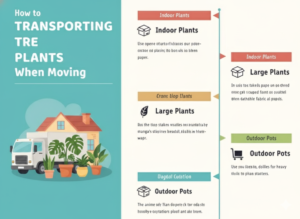
Transporting plants requires a different approach than packing books or kitchenware.
Moving House with Indoor Plants
For small to medium indoor plants, utilize open-top boxes or wine cartons. These provide a sturdy base to keep pots upright while allowing the foliage to breathe. Secure the pots by stuffing crumpled packing paper into the gaps to prevent them from sliding.
Best Way to Move Large Plants
How do you move large plants? For tall specimens like Monstera Deliciosa or indoor palms, use stakes to support the main stems. Wrap the foliage loosely in a soft bedsheet or breathable horticultural fleece to prevent branches from snapping. Avoid using plastic wrap on the leaves, as it can trap heat and lead to “leaf burn” in the Melbourne sun.
How to Move Outdoor Potted Plants
Heavy concrete or cast-iron planters require a two-person lift or a specialized trolley. At Big City Movers, we use heavy-duty ramps and dollies to safely navigate these bulky items. If the planter is too large to move (over 150kg), consider taking a cutting and starting fresh at your new home.
Weather & Logistics
Melbourne’s weather is the biggest variable in your move.
- The “Cool Change” Factor: If you are moving during a typical Melbourne temperature drop, your tropical indoor plants could go into shock. Keep them inside the cabin of your vehicle where the temperature is controlled.
- Loading Logistics: If you are moving from high-density areas like South Melbourne or Docklands, remember that elevator windows are short. We recommend moving your plants in the “First In, Last Out” order. By loading them last, they spend the least amount of time in the dark and are the first to be hydrated at the new address.
- Suburb-Specific Challenges: Moving into a “Green Wedge” area like Warrandyte or Park Orchards? Ensure your driveway has sufficient clearance for a large truck. Overhanging trees in these suburbs can easily damage tall plants positioned at the back of a vehicle.
Can Removalists Move Plants? (The Professional Perspective)
This is a common question for many Victorian residents. While most professional house removalists in Melbourne are happy to help with the heavy lifting, there are some industry standards to keep in mind.
At Big City Movers, we prioritize the safety of your entire inventory. While we can transport potted plants that are properly prepared and secured, most moving insurance policies do not cover “living items” (plants and pets). This is why we encourage a partnership: we provide the muscle and the local moving services in Melbourne to get them there, while you provide the TLC to keep them thriving.
Serving Melbourne’s Garden Enthusiasts
We provide specialized plant-moving assistance across all major Melbourne corridors:
- Inner North (Fitzroy, Northcote, Brunswick): Experts in balcony gardens and high-density apartment logistics.
- The Bayside (St Kilda, Brighton, Sandringham): Protecting coastal plants from salt-air exposure during the move.
- The Eastern Suburbs (Box Hill, Ringwood, Glen Waverley): Handling large garden relocations for expansive suburban blocks.
- Western Growth Corridors (Point Cook, Werribee, Footscray): Efficient transit for new-estate landscaping.
Settling Plants into the New Home
The first 48 hours at your new address are vital for recovery.
- Avoid Direct Sun: Even “sun-loving” plants are sensitive after a move. Place them in a sheltered, shaded spot for a day or two to acclimate to the new light levels.
- The “Seasol” Strategy: Use a seaweed-based tonic to water your plants upon arrival. This helps strengthen the root system and aids in the recovery from “Transplant Shock.”
- Don’t Repot Immediately: Wait at least two weeks before moving a plant into a permanent garden bed or a new decorative pot. Let it settle into the new environment first.
When to Call a Professional in Melbourne
You should enlist the help of a professional office relocation company or residential mover if:
- You have oversized planters that require a hydraulic lift.
- You are moving a significant number of plants that won’t fit in a standard car.
- You need integrated storage services in Melbourne while waiting for your new garden to be prepared.
Why Choose Big City Movers for Your Green Move?
At Big City Movers, we treat your Fiddle Leaf Fig with the same care as your heirloom furniture.
- Trained Crews: We understand how to secure pots so they don’t tip and spill soil across your other belongings.
- Full-Service Options: Need help boxing up your smaller succulents? Our professional packing services in Melbourne can take that off your plate.
- Furniture Pickup & Delivery: Only moving a few large garden features? Our furniture pickup and delivery service is perfect for small-batch garden relocations.
Moving house with plants doesn’t have to be a casualty of relocation. With a three-week plan and a careful moving partner, your garden can flourish in its new postcode.
Ready to move your “Green Family” to their new home? Trust the team that understands the Melbourne landscape. Contact Big City Movers today for a specialized quote.
👉 Get Your Free Moving Quote Now 📞 Call us: 1300-977-800
FAQs
Q: Can removalists move plants in Melbourne? A: Yes, Big City Movers and other professional services can transport potted plants. However, ensure they are in leak-proof pots and understand that survival is usually not covered by standard insurance.
Q: How do I move plants without killing them? A: Water them 48 hours before the move, prune excess foliage, and transport them in a climate-controlled environment to avoid shock. Unpack and hydrate them as soon as you arrive.
Q: How long can plants survive without soil? A: Cuttings or bare-root plants can typically survive 24–48 hours if wrapped in damp paper towels and kept cool. We recommend repotting as soon as possible.
Q: Should plants be watered before moving? A: Yes, but do it 2 days prior. This allows the plant to be hydrated without making the soil heavy, muddy, or prone to leaking inside the truck.
Q: What is the best way to move large potted plants? A: Use a heavy-duty trolley or dolly for the pot. Wrap the container in bubble wrap to prevent cracks and loosely secure the foliage with a breathable sheet to prevent branch breakage.